
The Best Books to Help Christian Parents Navigate the Digital World & Have Important Conversations with Their Kids
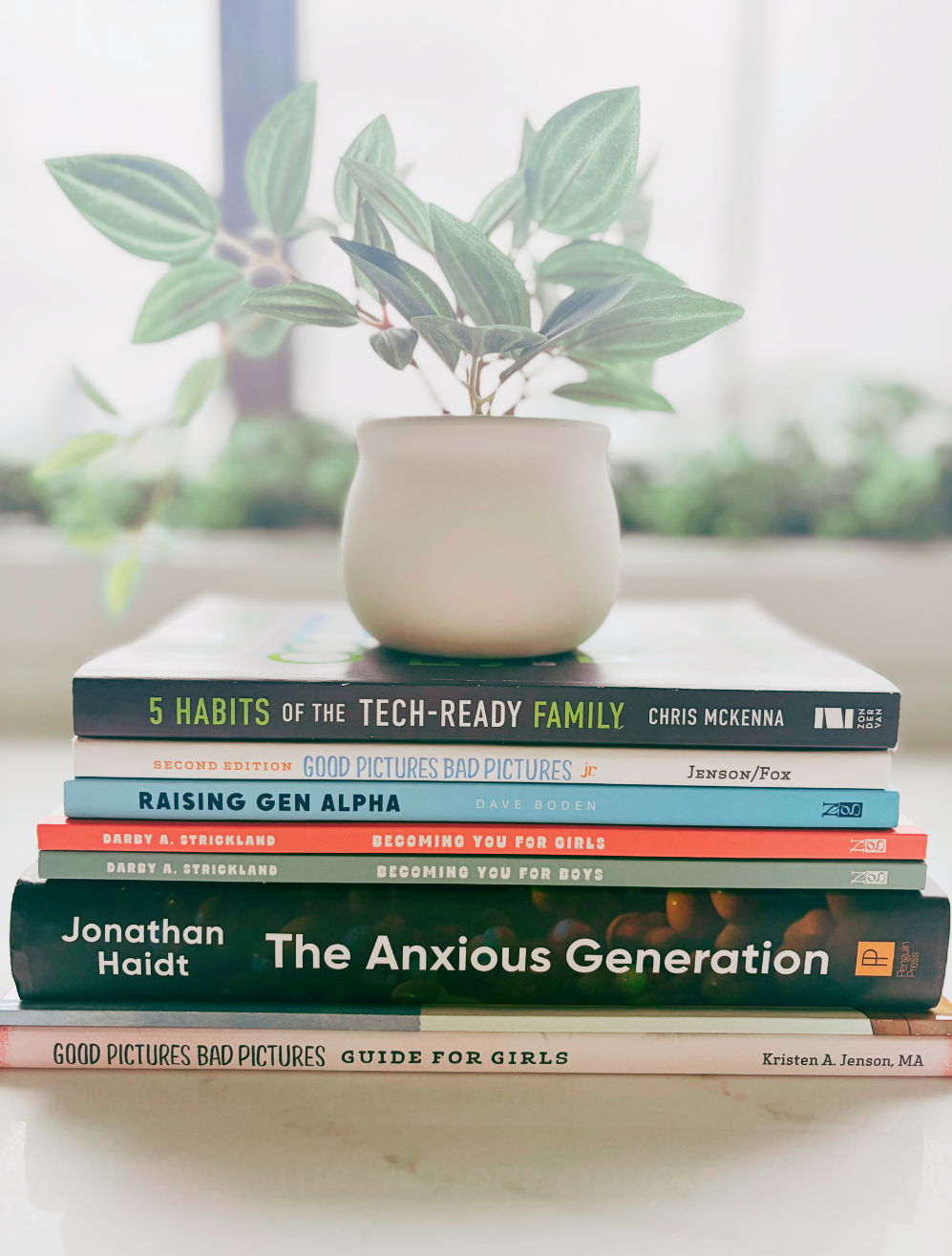
This post is part of a paid partnership with Protect Young Eyes. I was compensated for sharing these resources, but all opinions and recommendations are my own. This post also contains affiliate links, which means I may earn a small commission if you purchase through one of them, at no extra cost to you.
Parents today are navigating a world of technology that is changing faster than we can keep up.
New platforms. New devices. AI. Social media. Pornography that is more accessible than ever. And addictive apps and games designed to capture our kids' attention.
It can all feel incredibly overwhelming.
I've thought so many times about the world my boys are growing up in and wondered: How am I supposed to prepare them for all of this? How do I protect them without living in fear? How do I even know what I should be doing?
And honestly, this isn't a topic I've always felt prepared to talk about.
Several years ago, I remember having so much fear about raising sons who would have to navigate pornography. To the point where I felt like I wanted to just hide from the whole thing.
But through books, conversations, and resources I've encountered, I've gone from wanting to avoid these topics to developing more empathy and compassion for people who struggle in this area and feeling much more equipped to talk about these things with my own children.
And that's one of the reasons Five Habits of the Tech-Ready Family made such an impression on me.
Start Here: 5 Habits of the Tech-Ready Family
If you're only going to read one book, start here.
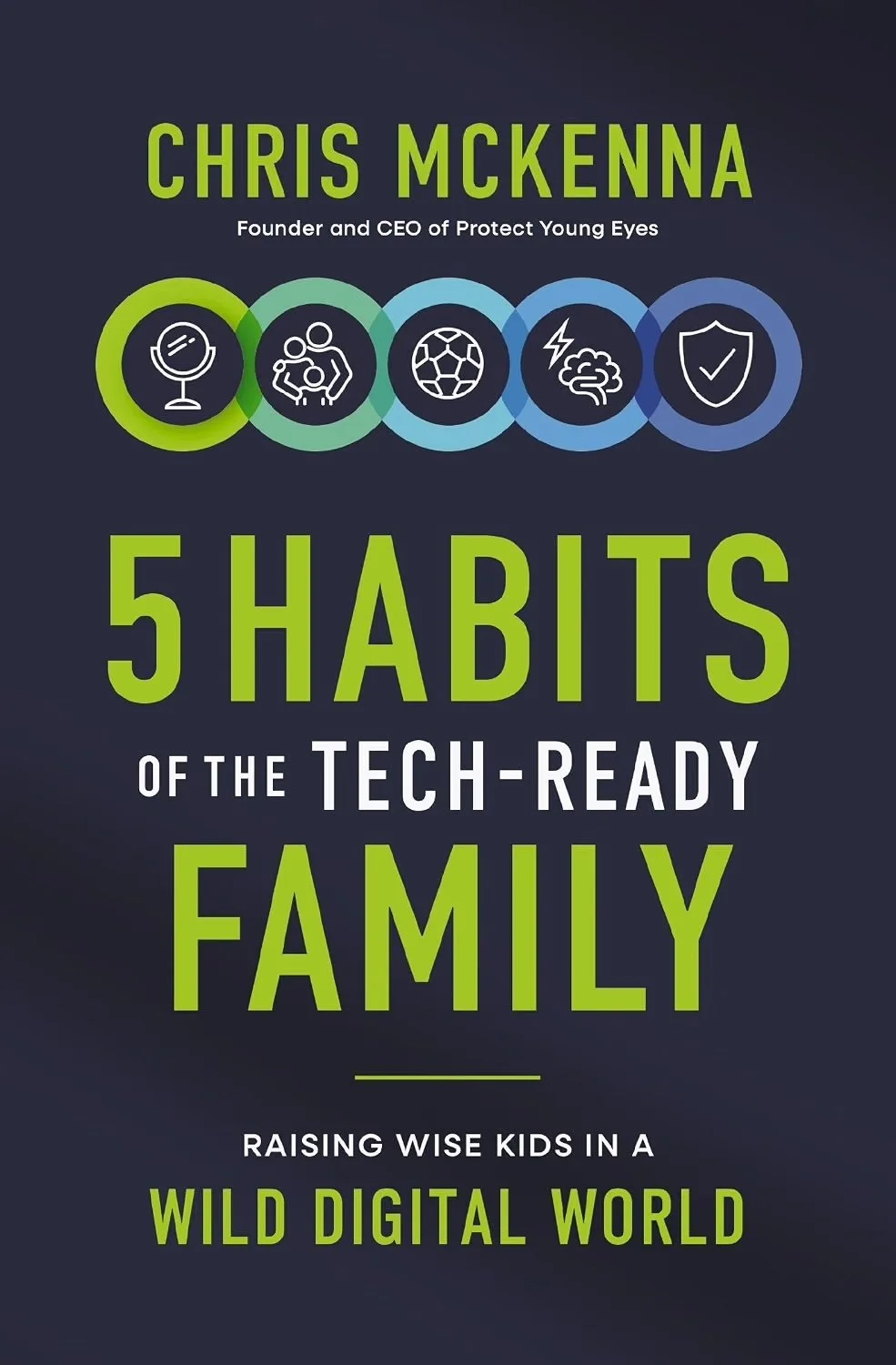
I truly believe every Christian parent raising kids today should read this book.
Chris McKenna tackles topics that can feel overwhelming and intimidating—addictive technologies, pornography, sextortion, AI, social media, and the broader digital world our children are growing up in—but he does so with compassion, clarity, and hope, helping equip parents to engage intentionally and proactively.
One of the most powerful themes throughout the book is the reminder that so much of today’s digital environment is intentionally designed to capture attention and exploit vulnerability, which makes it especially important for Christian parents seeking to raise their children with wisdom and discernment.
McKenna includes practical ideas for families—technology safeguards, home internet protections, accountability tools, device access expectations, and creating healthy digital habits. But he makes it clear that technology solutions alone aren’t enough.
The real foundation, he says, is relationship.
He continually points parents back to building trust, having conversations early and often, reminding kids that they can come to us without fear knowing their parents are on their side, aligning with the biblical call to “train up a child in the way he should go.”
This is the book I would start with before adding any of the other resources below. Five Habits gives parents the larger framework and the books that follow give additional insights and help in exploring a particular topic and bringing conversations directly to our children.
More Books for Raising Kids in Today’s World
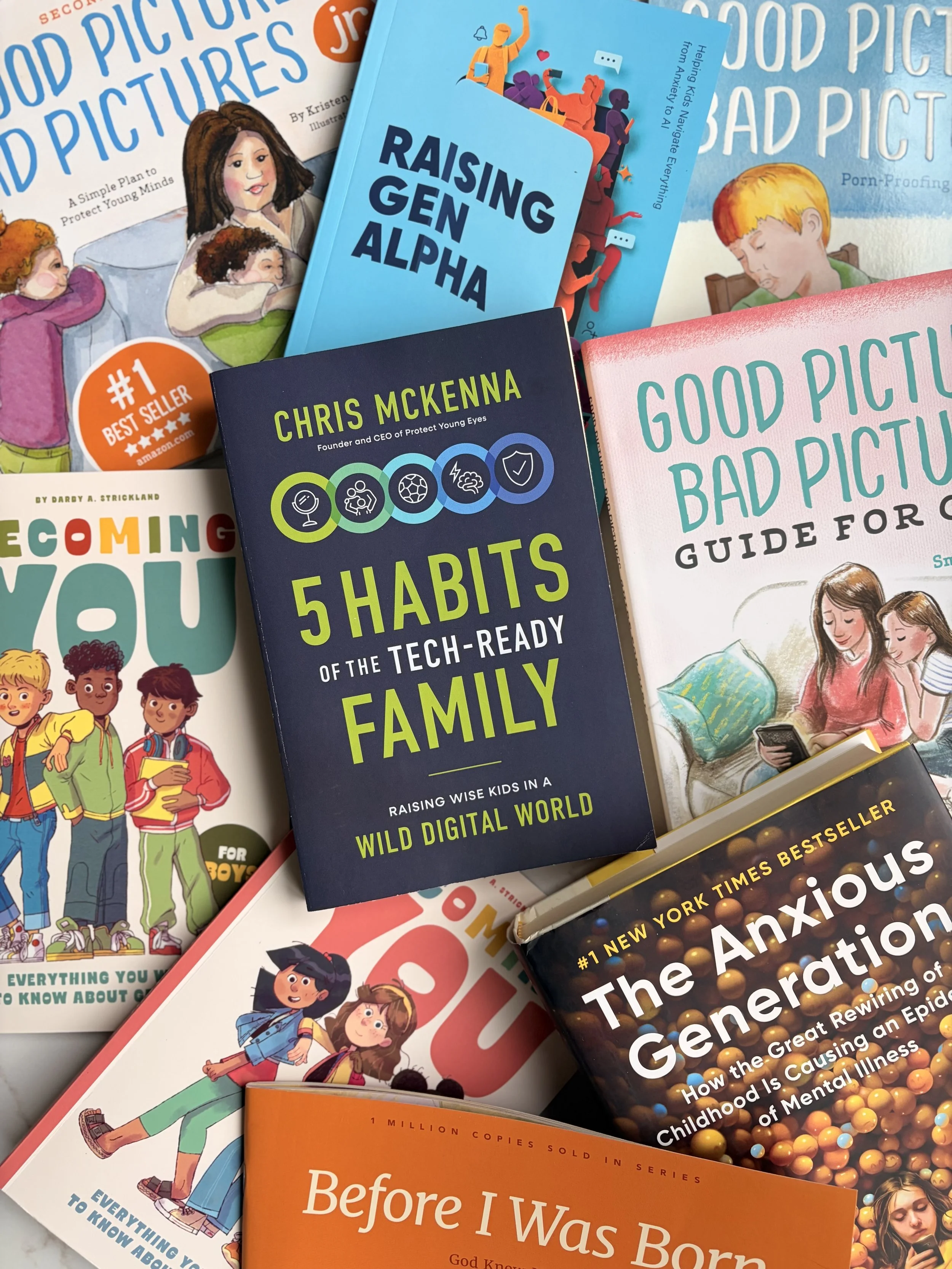
Books for Parents
(Book images below are clickable)
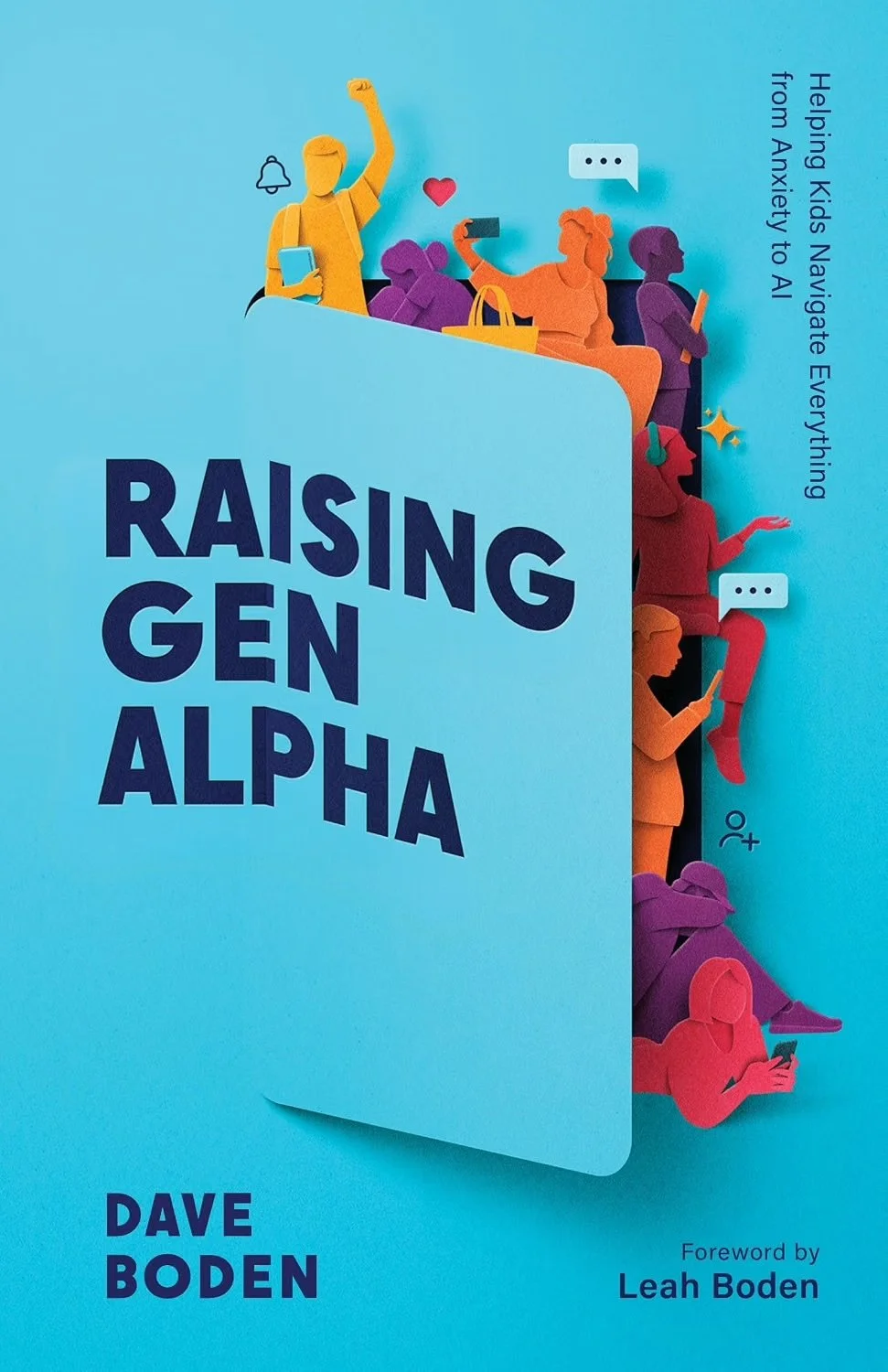
Raising Gen Alpha by Dave Boden
If you want to better understand the generation your children are growing up in, Raising Gen Alpha is a great resource. Dave Boden takes a deep dive into the world that has shaped Gen Alpha and helps parents, grandparents, teachers, and others who work with children understand what this generation is experiencing.
He uses the word ALPHA as an acronym for Anxious-minded, Leading influencers, Pandemic-impacted, Hyper-connected, and AI-shaped, exploring how each of these characteristics can help us better understand and reach this generation for Jesus.

The Anxious Generation by Jonathan Haidt
You may have already heard of The Anxious Generation by social psychologist Jonathan Haidt. If you haven't read it yet, this is one secular book I think Christian parents can still learn a great deal from.
Haidt presents extensive research on the ways childhood has changed in the smartphone and social-media era, exploring anxiety, loneliness, addiction, social development, and the effects of growing up in a highly connected digital world.
This isn't a Christian book, so it doesn't approach these issues from a biblical worldview. But I found the research incredibly relevant to the questions we're asking as parents today.
Haidt's recommendations are also strikingly aligned with many of the practical concerns Christian parents are wrestling with: delaying smartphones, delaying social media, creating phone-free schools, and giving children far more opportunity for unsupervised play and independence.
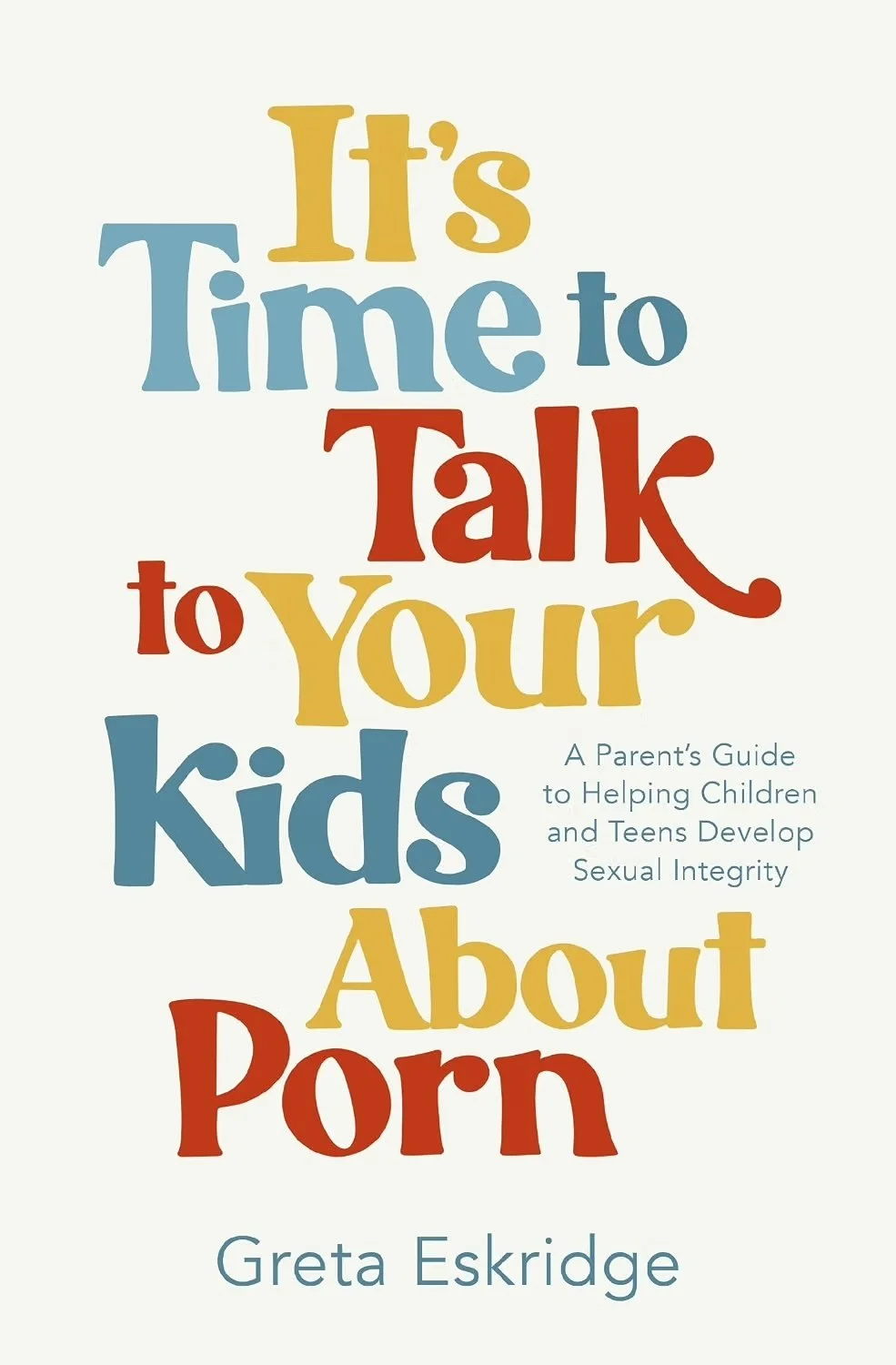
It's Time to Talk to Your Kids About Porn by Greta Eskridge
If pornography is the particular conversation you're struggling to begin, this is a resource I'd turn to. Greta Eskridge is a Christian author who writes honestly about her family's difficult journey navigating pornography and how that experience led her to begin helping other families have these conversations.
While Five Habits covers pornography as one part of the much larger digital landscape parents need to understand, this book's primary focus is helping parents talk to their kids about pornography.
In fact, Chris McKenna recommends It's Time to Talk to Your Kids About Porn in the appendix of Five Habits as an additional resource for parents who want to go deeper into this particular topic.
Books to Help You Start Conversations With Your Kids
Reading a parenting book can help us understand the bigger picture. But eventually, we have to sit down with our kids and actually talk about these things.
The books below are resources I would use to help open those conversations. Some focus specifically on pornography, while others address puberty, sexuality, identity, and God's design for our bodies.
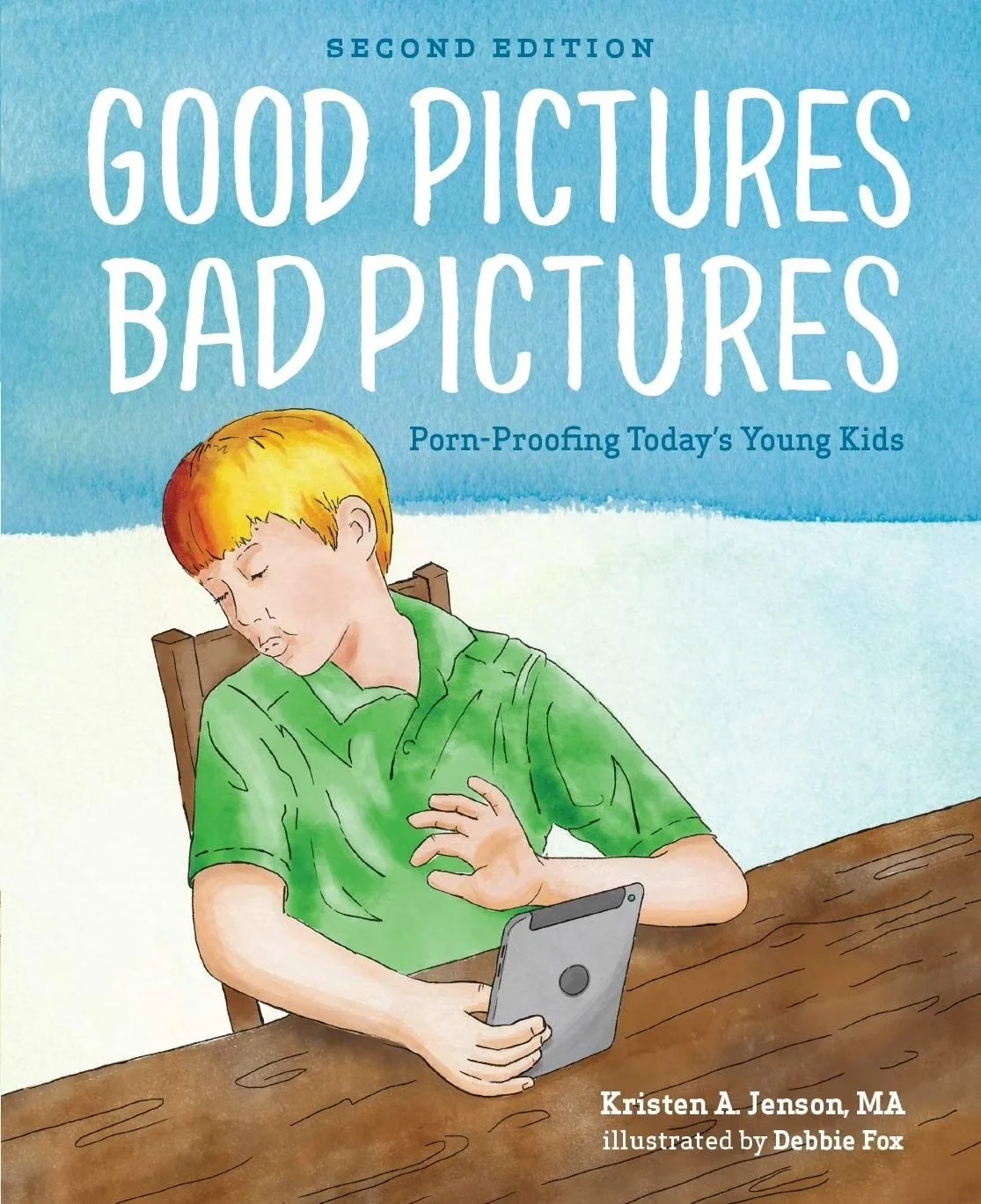
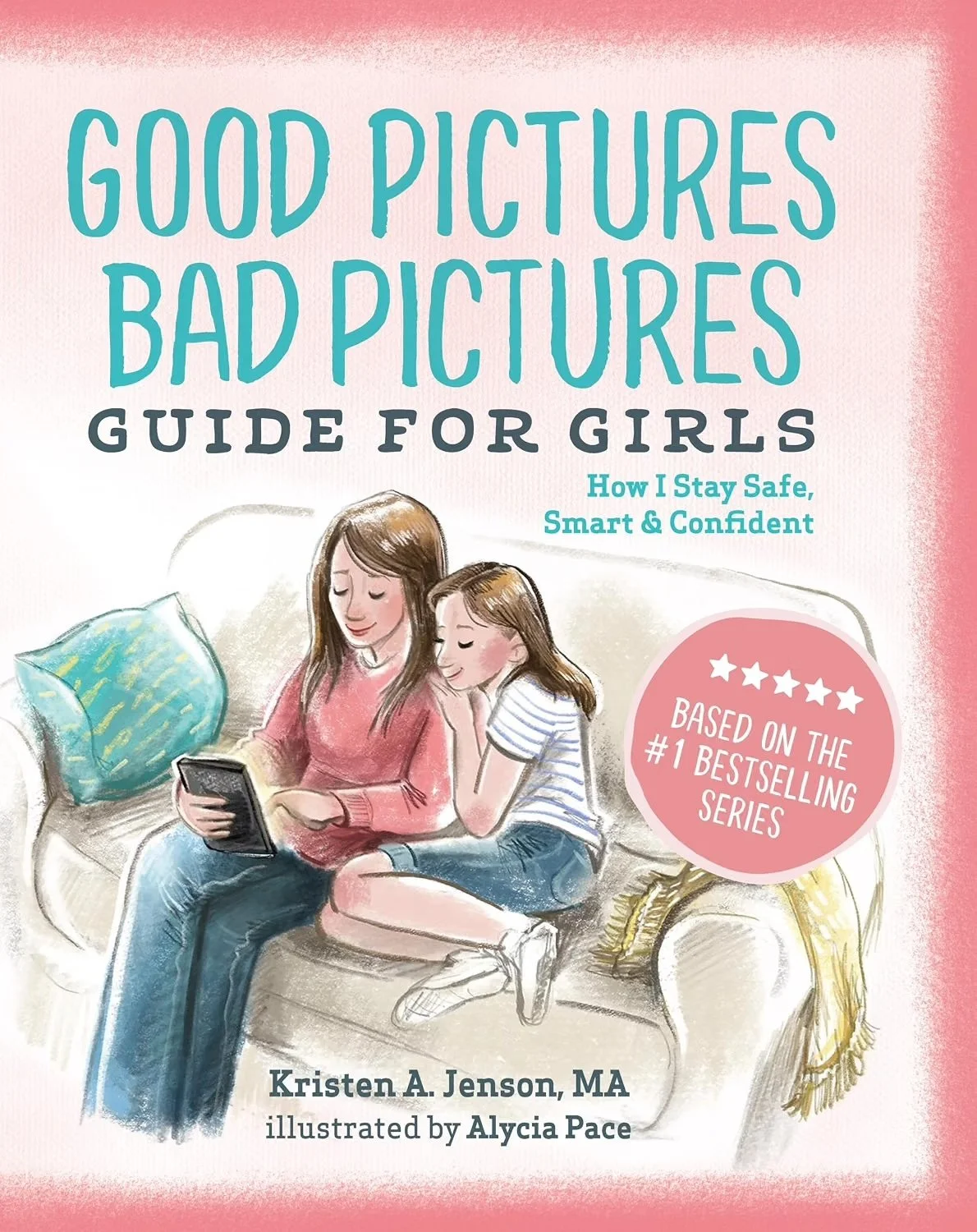
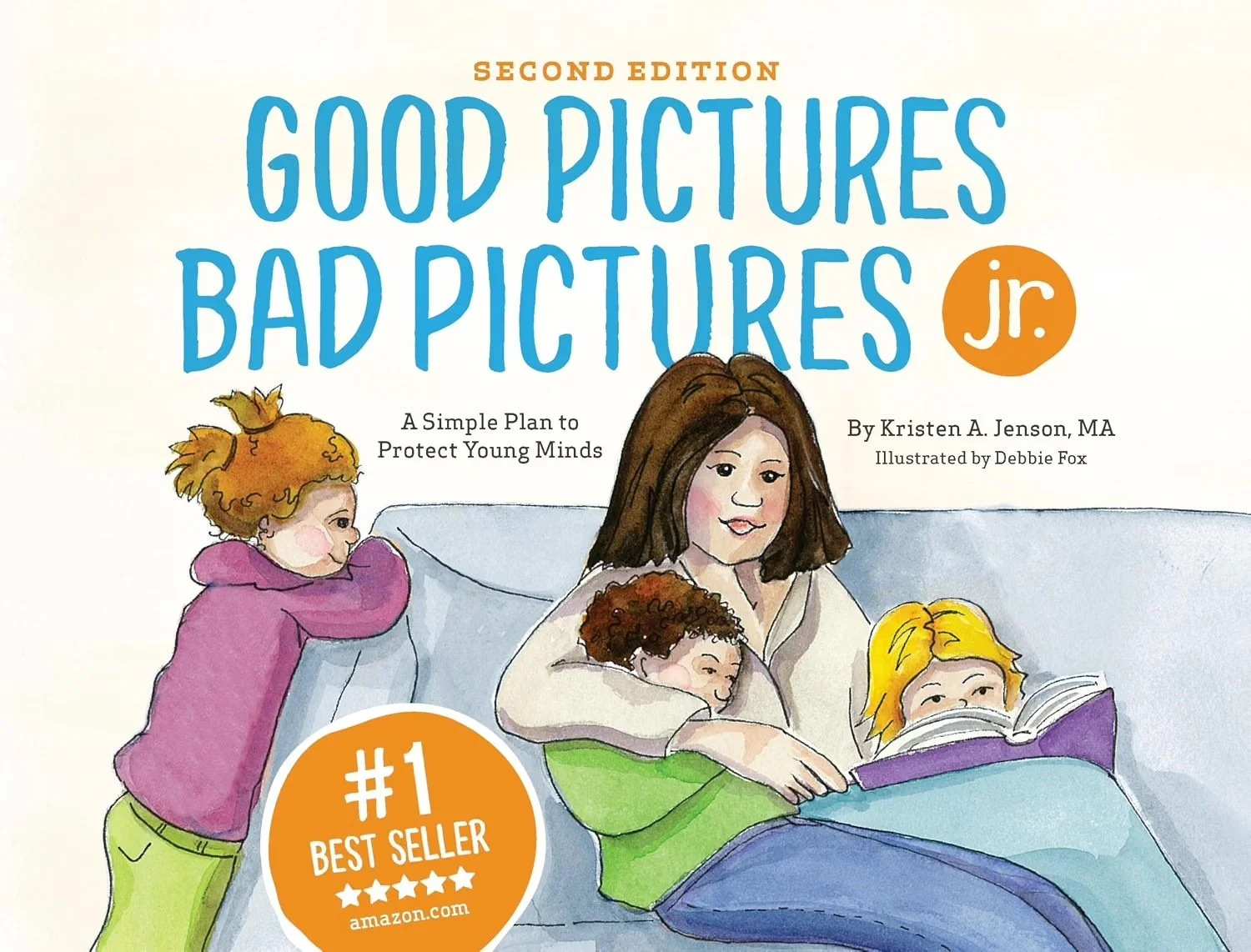
Good Pictures, Bad Pictures Series
The Good Pictures, Bad Pictures series is another resource I have used in my own home, and I especially appreciate that the books are designed to be read and discussed together with a parent.
There are three versions: Good Pictures, Bad Pictures Jr., the original Good Pictures, Bad Pictures, and Good Pictures, Bad Pictures: A Guide to Good Pictures, Bad Pictures for Girls.
The original and girls' editions function almost like conversation workbooks, with questions and opportunities for children to respond along the way. They explain why pornography is harmful without relying on Christian language or framing, focusing instead on how pornography affects our brains and what kids can do if they encounter something inappropriate.
I’ve really appreciated the Junior edition personally for younger children. It's a picture book that introduces the idea of "good pictures" and "bad pictures" without even needing to introduce the word pornography. I've read this one aloud with my own kids as an early way to begin these conversations.
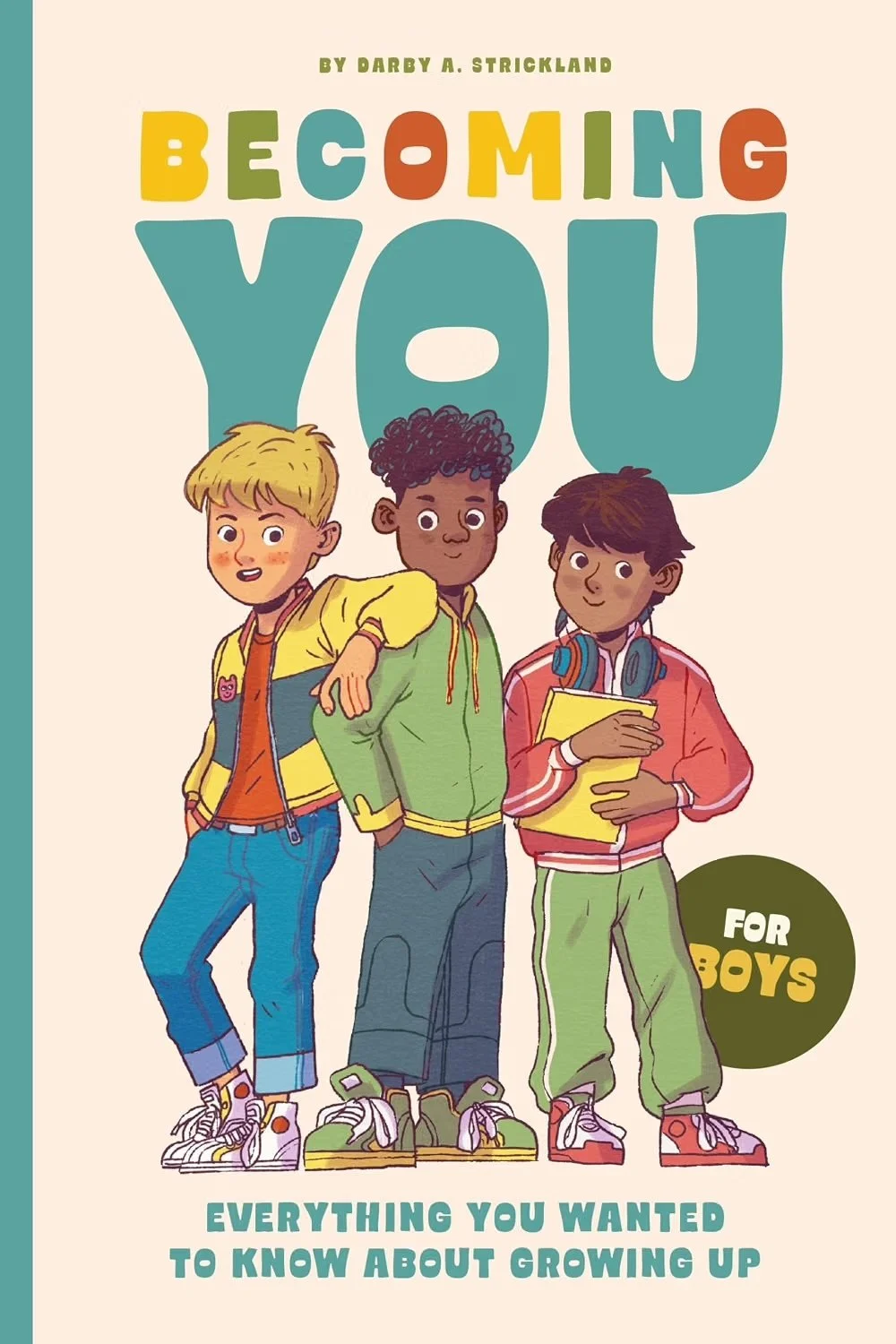
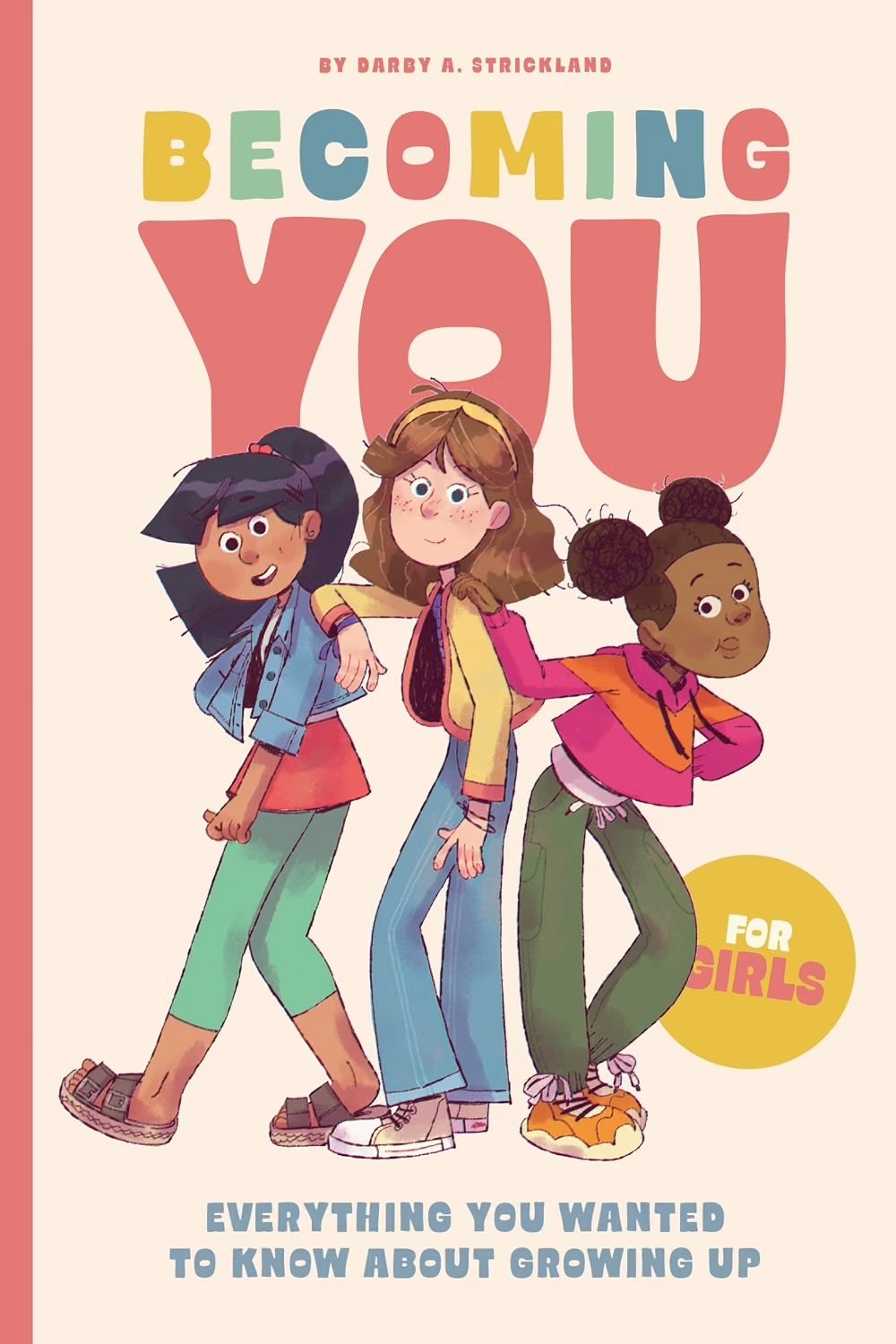
Becoming You for Boys & Becoming You for Girls
These books are wonderful biblical puberty and growing-up guides, walking kids through the physical and emotional changes they may experience while continually pointing them back to God's good design for their bodies and His unchanging character.
I especially appreciated the message on who kids are becoming on the inside, not just the physical changes they're experiencing. The books talk about things like hygiene, skin, hair, body changes, emotions, and puberty while reminding kids that their identity and worth aren't determined by how they look or how they feel in a particular moment.
The books also include a section on technology, including screen time, comparison, and learning to use technology wisely.
They're designed for kids to read independently, but personally, I would prefer to go through a book like this with my child. I think conversations about puberty and growing up are a parent's responsibility to initiate, not something we should expect our children to navigate alone or take the initiative on.
These books offer a helpful, biblical overview of what kids are experiencing and a foundation for continued conversations.
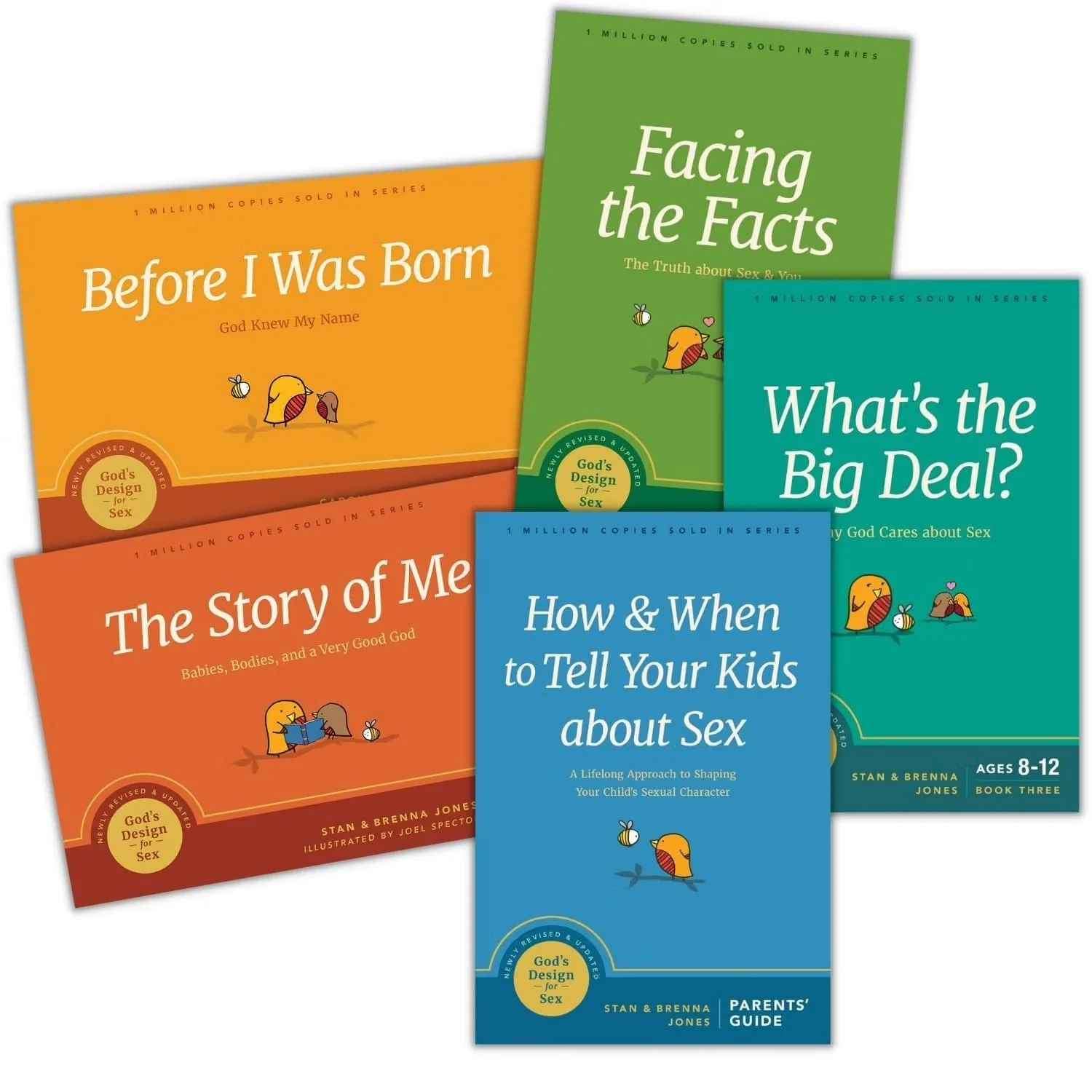
God's Design for Sex Series
The God's Design for Sex series offers age-specific books designed to grow with your child:
The Story of Me — ages 3–5
Before I Was Born — ages 5–8
What's the Big Deal? — ages 8–12
Facing the Facts — ages 12–16
and even a parents guide: How & When To Tell Your Kids About Sex
One thing I do really appreciate is that the series gives parents a framework for developing an ongoing, age-appropriate conversation about sexuality rather than treating it as one big talk.
These books present sexuality through a biblical framework, including God's design for our bodies, the differences between boys and girls, marriage, intercourse, and conception, with the content becoming more detailed as the recommended ages increase.
One note from my own experience: I tend to use these toward the older end of the suggested age ranges. They use a very straightforward approach and it is very honest, not shying away from certain terms or descriptions. Before I Was Born is listed for ages 5–8, but personally, I would not be comfortable reading this one to my 5-year-old boy and feel like it is more appropriate at ages 7 or 8 (or even beyond).
Of course, every parent and child is different, so you may feel comfortable earlier or later, but I do recommend that parents preview these books before reading them with their children. They use anatomically correct language and include illustrations that portray the realities being discussed. Nothing is explicit in the sense of being graphic, but some of the images and descriptions may be more than a parent expects based on the suggested age range (nudity presented without it being sexualized).
For families looking for a biblical resource to help build an ongoing conversation about sexuality, this is a series worth checking out.
—
A few years ago, I couldn't imagine feeling the way I do now.
Today, I don't feel like I have all the answers. And we can’t shield our children from every difficult thing online.
But I think the goal is to become the kind of parents who are prepared to walk with them through it and to delay as much as we can until they are better equipped to navigate it wisely.
We don't have to navigate this perfectly. But we can choose to be informed, intentional, and present. And always be a safe place for them to land.
Pin this for later!